Expedition 33 gives you enough build flexibility that two players could reach the endgame with completely different party setups and both succeed, but there is a difference between beating the game and optimizing for it. The community has spent weeks since launch crunching numbers, testing synergies, and refining builds for the game's hardest content, and a clear meta has emerged from that collective effort. The builds below are not the only viable options, and the game's difficulty on standard settings is forgiving enough that suboptimal builds can still carry you through. For players tackling NG+ difficulty, post-game challenges, or simply wanting to feel overpowered during their playthrough, these are the configurations that the community has identified as strongest.
Best Damage Dealer Build: Gustave
Gustave's damage output scales exceptionally well when you invest in the right skill tree branches and equip him for maximum Break exploitation. The core of the meta Gustave build focuses on maximizing his Break damage multiplier and extending the duration of Break states on enemies. Prioritize skill tree nodes that increase Break damage by percentage, reduce the cooldown on his most powerful attacks, and improve the efficiency of his Gradient Attacks. For equipment, stack Break damage bonus and critical hit chance, with enough defense investment to survive real-time parry windows without folding. The optimal Tint combination for this build uses a primary Tint that boosts Break damage and a secondary Tint that enhances critical hit rate, because Break-state enemies take additional damage from critical hits, creating a multiplicative scaling effect that devastates single targets. In combat, the rotation is straightforward: use turn-based actions to build toward a Break, execute the Break with your highest-damage Gradient Attack, then exploit the Break state for maximum damage before it expires. Gustave excels as a burst damage dealer who front-loads his damage in short windows, making him the best choice for boss fights where Break state management determines the pace of the encounter.
Best Support Build: Maelle
Maelle's support capabilities make her the backbone of any optimized team, and her best build maximizes healing output and party-wide buffs. The skill tree for this build prioritizes nodes that increase healing potency, extend buff durations, and reduce the action point cost of support abilities. Equipment should focus on healing power, ability cooldown reduction, and survivability, because a dead support character helps no one. The recommended Tint combination pairs a healing boost Tint with a cooldown reduction Tint, creating a loop where Maelle can maintain continuous buffs and healing across the entire party without running dry on resources. Maelle's value extends beyond raw numbers. Her turn-based actions include abilities that grant the party buffs to Break damage, defense, and parry timing windows, and maintaining these buffs across multiple turns is the single most impactful thing a support character can do in Expedition 33's combat system. In boss encounters, a well-built Maelle can keep the entire party alive through phases that would wipe an unsupported team, and her Break damage buff turns Gustave from a strong damage dealer into an absolute monster. If you only invest deeply in one support character, make it Maelle.
Optimal Boss Rush Team Composition
The game's toughest boss encounters demand a specific team structure that balances damage output, survivability, and resource management. The community consensus for the optimal boss rush team is Gustave as primary damage dealer, Maelle as dedicated support, and Verso as a hybrid damage-and-break specialist who fills the gaps between Gustave's burst windows. Lune and Scally are excellent characters with strong personal builds, but for pure boss fight optimization, the Gustave-Maelle-Verso trio provides the most consistent results. Verso's role in this composition is to maintain pressure on the boss during the turns when Gustave's burst abilities are on cooldown. His hybrid skill set allows him to contribute meaningful damage while also applying Break buildup that sets up Gustave's next burst window. The Tint setup for this team composition focuses on synergy: Maelle's Break damage buff stacks with Gustave's Break damage Tint for enormous damage spikes, while Verso's Tint setup prioritizes Break application speed to minimize the turns between Break states. This composition struggles slightly with encounters that feature multiple enemies due to its single-target focus, but for boss encounters, it is the most reliable team the community has found.
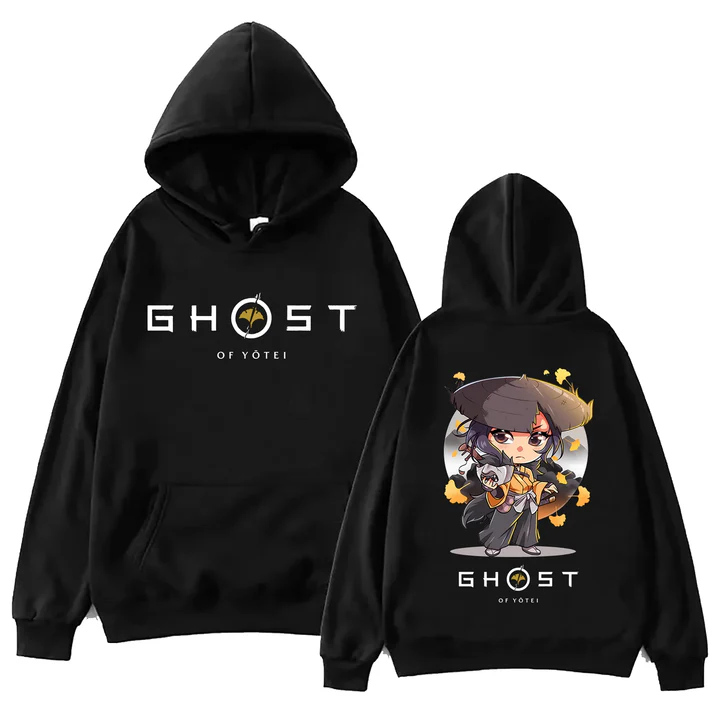
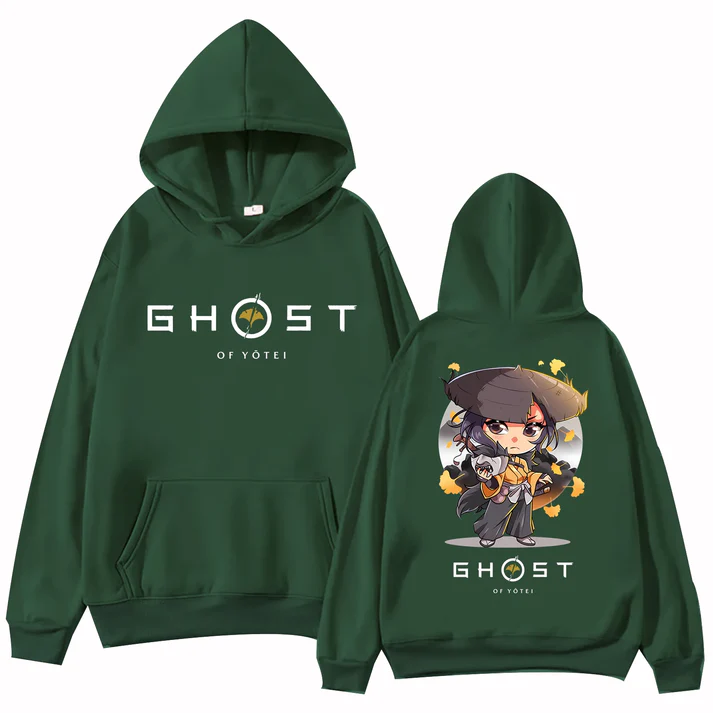
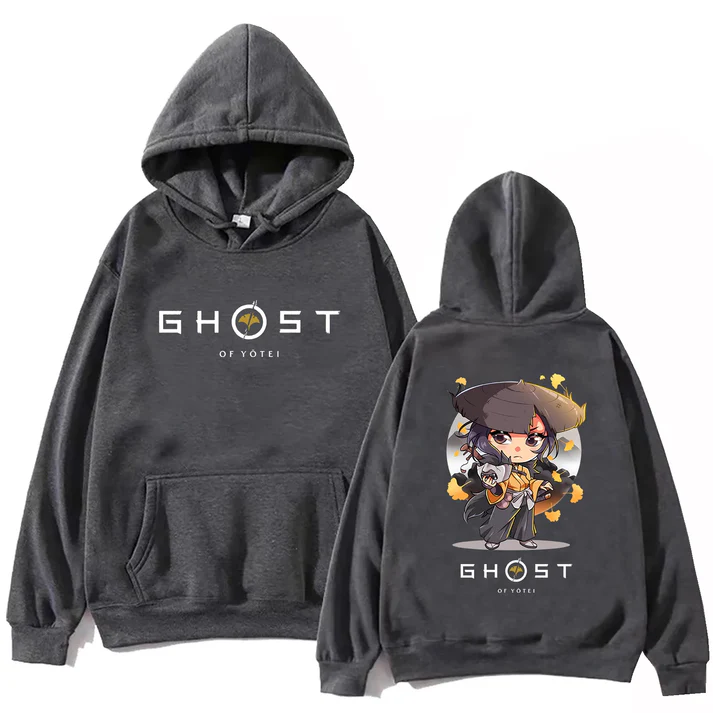
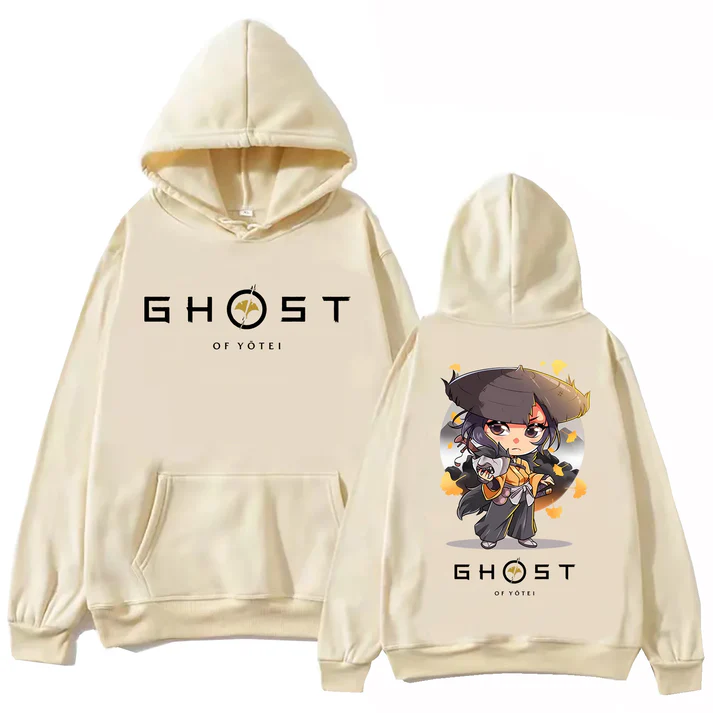
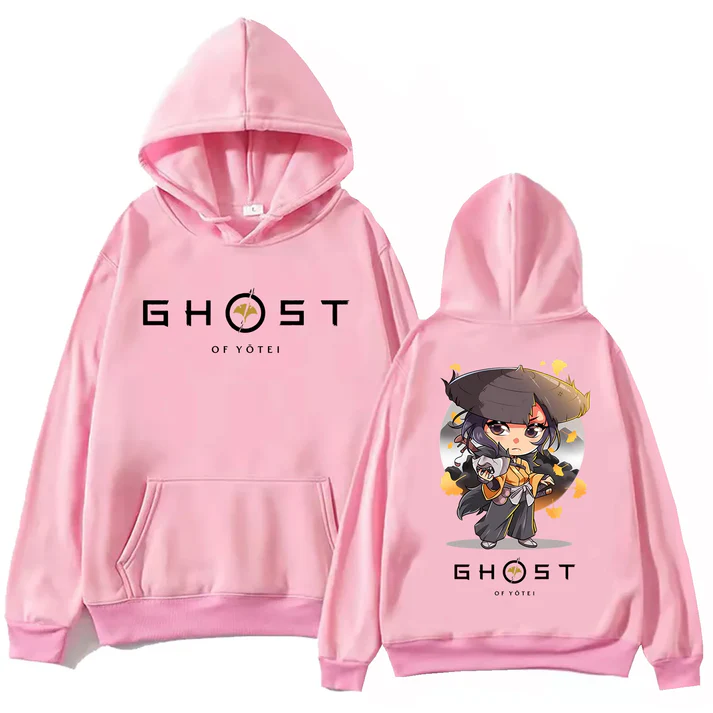
Every optimized build needs a baseline, and so does every gaming setup: something comfortable to wear while you execute the plan. The Ghost of Yotei Kawaii Blue Hoodie is $44 with a relaxed Japanese streetwear fit, ready for long grind sessions. Think of it as the support slot in your wardrobe rotation.
Exploration and General Content Team
Boss rush optimization is not the only way to build, and for players who spend more time exploring than fighting bosses, a more balanced team composition serves better. The general-purpose dream team swaps Verso for Lune, whose AoE capabilities and mobility-focused skill tree make her the best character for clearing groups of standard enemies quickly. Gustave handles single-target damage, Maelle provides support, and Lune cleans up the weaker enemies that would slow down the other two builds. Scally fills the fourth slot for utility: his unique abilities include trap detection, environmental puzzle solutions, and dialogue options that are not available with other party members. For exploration-focused play, having Scally in your active party grants access to hidden areas and shortcuts that you would miss with a pure combat build. The Tint setup for the exploration team is more flexible than the boss rush configuration, with emphasis on resource efficiency over maximum damage, because extended exploration sessions punish builds that burn through consumables and cooldowns too quickly.
NG+ Build Considerations and Community Synergies
New Game Plus introduces enemy scaling that reshapes the meta significantly. The stat boosts that enemies receive in NG+ make pure damage builds less effective than they are in the base game, because enemies survive long enough for sustained damage to matter more than burst windows. The community-discovered adaptation is to shift investment toward defense, sustainability, and control effects that extend Break states rather than maximizing raw damage numbers. Gustave's NG+ build prioritizes survivability and consistent damage over burst optimization, because longer boss fights mean more opportunities for mistakes that a glass-cannon build cannot absorb. Maelle becomes even more essential in NG+ because her healing and buff maintenance are the difference between sustainable progress and repeated wipes. One of the most interesting community-discovered synergies involves pairing Lune's control abilities with Gustave's sustained damage in NG+, creating a lock-down strategy that prevents enemies from ever executing their most dangerous attacks. This synergy is less effective in the base game because enemies die too quickly for control to matter, but in NG+, where fights last significantly longer, keeping enemies locked down provides more practical value than trying to out-damage their enhanced health pools.
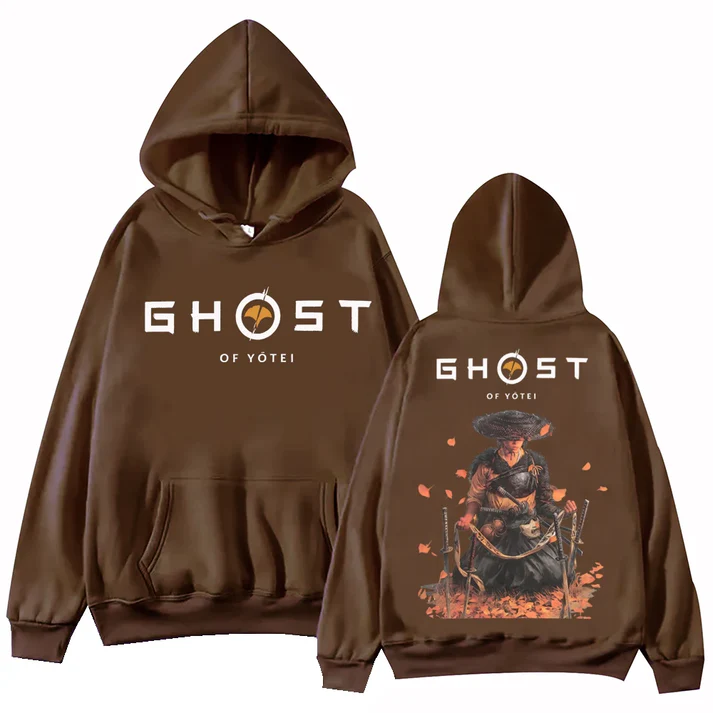
NG+ teaches a lesson worth keeping: sustain beats burst over the long run. Buying clothes once and wearing them for years is the same play. The Ghost of Yotei Sakai Clan Brown Hoodie is $44, made from an organic cotton blend, and meant to survive plenty of New Game Plus cycles in your washing machine.