Ghost of Yotei drops you into the rugged, snow-covered landscapes of feudal Japan's northernmost frontier — the island of Ezo, known today as Hokkaido. Developed by Sucker Punch Productions as a spiritual successor to the critically acclaimed Ghost of Tsushima, this game transports players to a time and place that few video games have ever explored with such authenticity and artistic ambition. The story follows Atsu, a fierce and determined warrior navigating the complex political landscape of late-feudal Japan, where indigenous Ainu people, expanding Japanese settlers, and rival samurai clans all vie for control over this untamed wilderness. The narrative is far more than a simple revenge tale; it is a deeply layered story about identity, belonging, cultural conflict, and the lengths one person will go to protect what they love in a world that seems determined to tear everything apart.
The Setting: Ezo in Feudal Japan
The game is set in Ezo during a transformative period in Japanese history, when the Matsumae clan and other powerful forces from mainland Japan were expanding their influence into the northern island. Unlike the more familiar settings of Kyoto or Edo that dominate most samurai-themed media, Ezo offered a dramatically different environment — vast boreal forests, volcanic mountain ranges, frozen coastlines, and a culture shaped by the indigenous Ainu people who had inhabited the island for thousands of years. The developers at Sucker Punch spent extensive time researching the historical geography, climate, and cultural dynamics of the region to create a world that feels authentic without losing its sense of wonder. Every location you visit in the game reflects real-world geography, from the towering presence of Mount Yotei (inspired by the real Mount Yotei in Hokkaido) to the coastal fishing villages, hot spring settlements, and dense cedar forests that define the island's character. This commitment to environmental storytelling means that simply exploring the world of Ezo is a narrative experience in itself.
Atsu's Journey: A Warrior Without a Master
At the heart of Ghost of Yotei is the story of Atsu, a warrior whose personal journey drives every moment of the narrative. Unlike Jin Sakai from Ghost of Tsushima, who was a samurai bound by honor codes and duty to his lord, Atsu exists outside the traditional power structures of feudal Japan. She is a ronin in the truest sense — a warrior without a master, guided not by the rigid Bushido code but by her own moral compass and personal connections to the land and people of Ezo. This fundamental difference in character philosophy shapes every decision you make as a player and every interaction you have with the world's inhabitants. Atsu's story explores themes of displacement, cultural identity, and the tension between the old ways and the new order that was rapidly reshaping Japan during this period. Her relationship with the wolf companion adds another layer of emotional depth to the narrative, as the bond between warrior and beast mirrors the broader themes of loyalty, survival, and harmony with the natural world that run throughout the game.
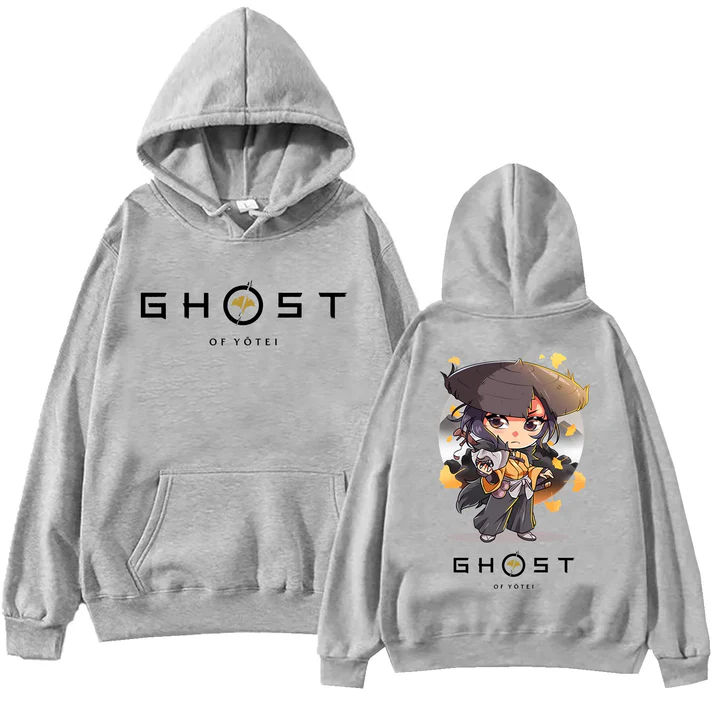
There's something about finishing a long Atsu chapter late at night that makes you want to carry a piece of the story with you. That's the idea behind our Ghost of Yotei Dark Gray Hoodie — Atsu and Mount Yotei printed in high detail on charcoal fleece. It's $44, ships worldwide for a flat $10, and honestly it's the closest thing to ronin armor you can wear to the office.

The Conflict: Clans, Settlers, and the Fight for Ezo
The central conflict of Ghost of Yotei revolves around the struggle for control over Ezo's resources, land, and people. Multiple factions compete for dominance across the island, each with their own motivations, methods, and moral complexities. The Matsumae clan, representing the interests of mainland Japan, seeks to consolidate power and exploit Ezo's natural wealth. Meanwhile, the Ainu communities fight to preserve their traditional way of life against overwhelming external pressure. Various samurai warlords and mercenary groups further complicate the political landscape, creating a web of alliances and betrayals that Atsu must navigate with careful diplomacy and, when necessary, deadly force. What makes this conflict so compelling is that there are no clear-cut villains or heroes — every faction has legitimate grievances and understandable motivations, forcing players to grapple with difficult moral choices that have genuine consequences for the story and the people you encounter throughout your journey.
Key Story Moments and Plot Twists
Without venturing into spoiler territory, Ghost of Yotei delivers several narrative moments that rival the most memorable sequences in modern gaming. The pacing is patient, building tension slowly through environmental storytelling and character development before unleashing dramatic set-pieces that recontextualize everything you thought you understood about the world and its inhabitants. The relationship between Atsu and her wolf companion evolves throughout the story in ways that are both emotionally resonant and mechanically meaningful, with the bond between them directly influencing key story beats. The game also features a branching narrative system where player choices during certain critical moments can lead to significantly different outcomes, adding substantial replayability for players who want to experience every facet of the story. The ending, in particular, has been praised for its emotional weight and thematic coherence, bringing together every thread the game has been weaving since the opening moments into a conclusion that feels both surprising and inevitable.
The Spiritual Connection to Japanese Mythology
Beyond the historical setting, Ghost of Yotei draws deeply from Japanese mythology and spiritual traditions to create a world that feels genuinely mystical and alive. The concept of the 'ghost' in the title refers not to literal spirits but to the idea of an invisible force — the lingering presence of warriors past, the enduring spirit of the land itself, and the supernatural undertones that permeate Ainu folklore. Throughout the game, you'll encounter shrine locations, legendary creatures drawn from Japanese mythology, and narrative elements that blur the line between historical fiction and supernatural fantasy. These mythological elements are never heavy-handed or distracting; instead, they sit naturally inside the world, enriching the atmosphere and adding layers of meaning to every location you explore and every character you meet. For players interested in Japanese culture and mythology, Ghost of Yotei offers an accessible and deeply respectful gateway into these traditions that goes far beyond surface-level references.
Wear the Story
Mythology this rich tends to stick with you after the controller goes down. Our Forest Green Atsu & Mount Yotei hoodie is our way of bottling that feeling — deep green like Ezo's cedar forests, with the mountain worked into the artwork. Like everything in the collection, it's $44 with flat $10 worldwide shipping.