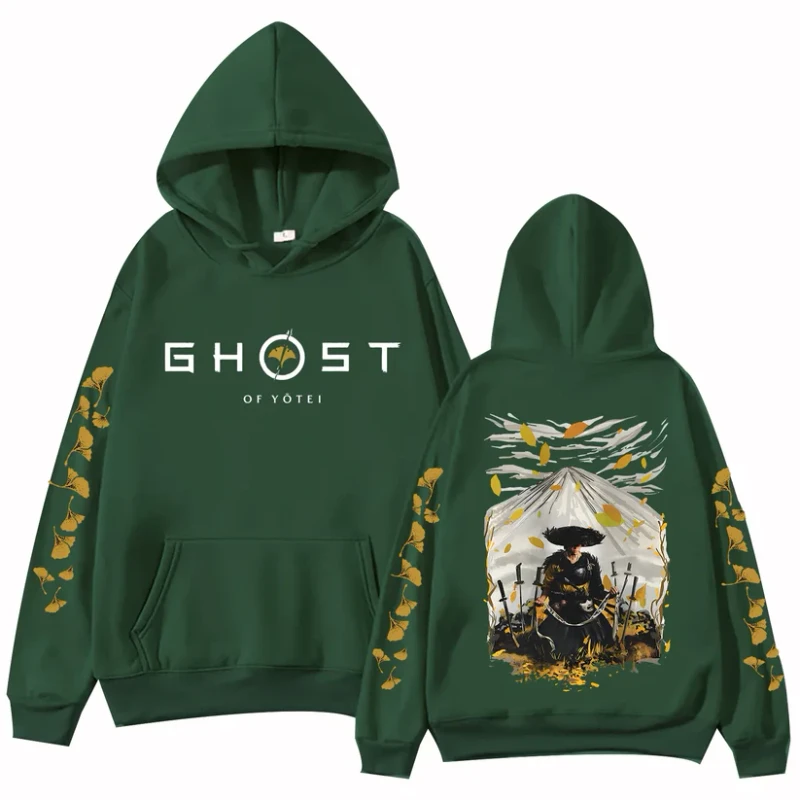
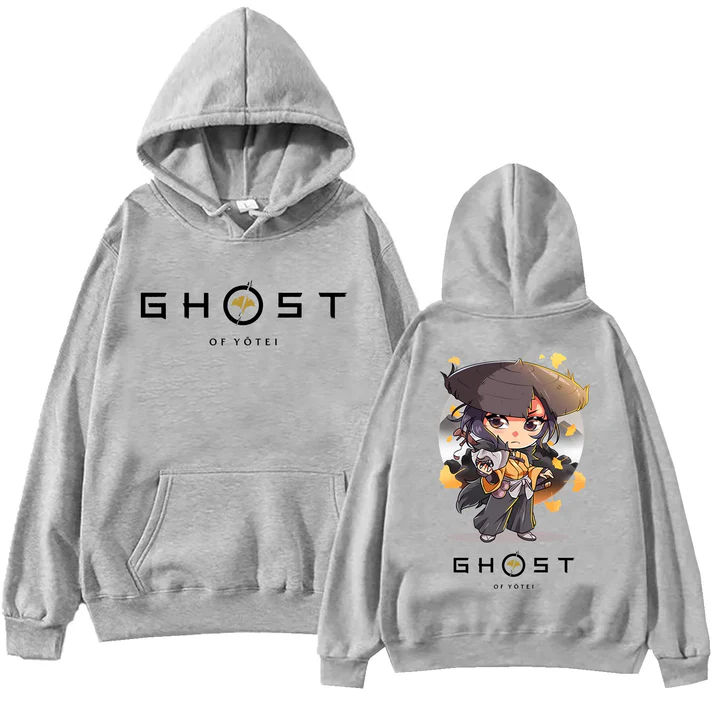
The release of Ghost of Yotei has naturally prompted fans and critics alike to compare it with its beloved predecessor, Ghost of Tsushima. Both games are developed by Sucker Punch Productions and share a common DNA of samurai-themed open-world action-adventure gameplay, but they are also remarkably different experiences in ways that go far beyond their different settings. This comparison walks through every major aspect of both games — narratives, combat systems, visual design, world exploration, character development — to help you figure out which one fits how you like to play. Whether you're deciding which game to play first, wondering if Ghost of Yotei justifies a purchase if you've already played Ghost of Tsushima, or simply curious about how the two games stack up against each other, this guide has you covered.
Story and Narrative: Different Heroes, Different Journeys
Ghost of Tsushima tells the story of Jin Sakai, a samurai lord defending his home island of Tsushima against the Mongol invasion of 1274. It's a grand, sweeping war narrative with clear villains, heroic sacrifice, and a central conflict that operates on a massive scale. Jin's character arc follows the classic samurai drama template — a honorable warrior forced to abandon the Bushido code to save his people, creating a compelling internal conflict between duty and pragmatism. Ghost of Yotei, by contrast, tells a more intimate and personal story. Atsu's journey is not about saving the world or defeating a massive invading army — it's about finding your place in a complex, morally ambiguous world where no faction is entirely right or wrong. The political landscape of Ezo is far more nuanced than the straightforward good-versus-evil dynamic of Tsushima, with multiple competing interests that create a web of conflicting loyalties and difficult choices. While Ghost of Tsushima's story resonates with epic, cinematic power, Ghost of Yotei's narrative achieves its impact through subtlety, ambiguity, and the kind of emotional intimacy that comes from spending time with a smaller cast of more deeply developed characters.
Combat Systems: Evolution or Revolution?
Ghost of Tsushima's combat system was widely praised for its accessibility combined with depth, built around the iconic four-stance system where each stance countered a specific enemy type. It was intuitive enough for casual players to enjoy while offering enough complexity for hardcore players to master. Ghost of Yotei's combat takes this foundation and evolves it in several meaningful ways. The rigid four-stance system has been replaced with a more fluid, context-sensitive approach where Atsu adapts her fighting style organically based on the situation. This makes combat feel more natural and less like a rock-paper-scissors exercise, though some players may miss the clarity of explicitly choosing the right stance for each enemy type. The addition of the wolf companion as a combat partner adds an entirely new dimension to fights, creating opportunities for coordinated attacks and tactical positioning that weren't possible in the first game. Ghost of Yotei also features more varied enemy types and more complex boss encounters that require genuine strategic thinking rather than simply applying the correct stance and timing your parries. Overall, Ghost of Yotei's combat is deeper and more varied, while Ghost of Tsushima's remains more accessible and elegant in its simplicity.
Whichever side of the comparison you land on, the shared DNA is worth celebrating. Our Sakai Clan Beige hoodie is a subtle nod to where the series started — sand beige with the embroidered crest, relaxed enough for all-day sessions. $44, flat $10 worldwide shipping.

Open World Design: Tsushima's Beauty vs Ezo's Diversity
Both games feature stunning open worlds, but they take fundamentally different approaches to environmental design. Ghost of Tsushima's Tsushima Island is a masterclass in biomes within a relatively compact space — you have bamboo forests, golden rice paddies, rocky coastlines, and mountain temples all within a few minutes of traversal. The island feels like a single, cohesive location with tremendous visual variety. Ghost of Yotei's Ezo, by contrast, is significantly larger and more geographically diverse, featuring distinct climate zones that genuinely affect gameplay. The frozen northern tundra with its blizzards and reduced visibility plays very differently from the temperate coastal regions or the volcanic highlands. Ezo also features more verticality and more varied terrain types, including underground caves, cliffside paths, and the massive Mount Yotei itself. If Ghost of Tsushima's world is a beautifully designed garden where every view is postcard-perfect, Ghost of Yotei's world is a genuine wilderness that feels wild, dangerous, and full of genuine surprises. Both approaches are excellent, but they serve different player preferences — Tsushima for those who want a consistently beautiful, curated experience, and Ezo for those who want the thrill of genuine wilderness exploration.
Visual Design and Graphics: A New Generation
Ghost of Yotei benefits from being developed for current-generation hardware, and the visual leap over Ghost of Tsushima is immediately apparent. The snow rendering system alone is worth marveling at — each snowfall creates unique accumulation patterns on surfaces, footprints persist realistically, and blizzards create genuinely disorienting visibility conditions that serve both aesthetic and gameplay purposes. The character models and facial animations are significantly more detailed and expressive, allowing for subtler performances during story scenes. The lighting system has been completely overhauled with global illumination that creates more realistic and atmospheric environments, particularly during the golden hour lighting that bathes Ezo's forests in warm, dappled light. Ghost of Tsushima remains one of the best-looking games of the previous generation, and its art direction with the iconic black-and-white 'Kurosawa mode' is still unmatched in its specificity. But purely in terms of technical visual quality, environmental detail, and atmosphere, Ghost of Yotei represents a meaningful step forward that showcases what current-generation hardware is capable of.
Verdict: Which Should You Play?
The honest answer is that both games are exceptional experiences that complement each other rather than compete. If you're new to the franchise, Ghost of Tsushima is the natural starting point — its straightforward narrative, intuitive combat, and breathtaking world make it an accessible and universally appealing introduction to Sucker Punch's vision. If you've already played Ghost of Tsushima and are wondering if Ghost of Yotei offers enough new content to justify your time and money, the answer is an emphatic yes. The new setting, expanded combat mechanics, wolf companion system, and more nuanced storytelling create an experience that feels fresh and distinctive even if you've spent hundreds of hours on Tsushima Island. For players who have played neither game, the ideal experience is playing both in order — Ghost of Tsushima first to appreciate the foundational mechanics and storytelling approach, then Ghost of Yotei to see how those foundations have been built upon, expanded, and evolved into something that stands as one of the finest open-world action-adventure games available today.
Pick a Side, Pick a Hoodie
If the comparison has you planning a replay of either game, we have the uniform covered. The classic Ghost of Yotei gray hoodie is the everyday option — premium cotton blend, high-quality print, $44 with flat $10 worldwide shipping. Team Atsu, but comfortable.