Every great RPG needs a central relationship that holds the story together, and for Clair Obscur: Expedition 33, that relationship belongs to Gustave and Verso. These two characters carry the emotional weight of the entire narrative, and the way their dynamic evolves from cautious alliance to something far more complicated is the single most compelling reason to pay attention to Expedition 33's story. Ben Starr's writing for Verso won The Game Award for Best Narrative, and Charlie Cox's performance as Gustave earned universal praise from players and critics alike. But awards only tell you that something is good. They do not explain why it works. The Gustave-Verso relationship works because Sandfall built it on a foundation of genuine conflict, mutual need, and a central secret that recontextualizes every interaction you have witnessed up to the moment of its reveal.
The First Meeting: Recruitment and Reluctance
Gustave does not want to join the 33rd expedition. This is not a reluctant hero cliche played for easy drama. Gustave has legitimate, well-articulated reasons for refusing: the previous 32 expeditions all failed, the Gommage will erase him regardless of whether he goes or stays, and his skills as an artist make him more valuable alive in Lumiere than dead on some fool's errand into the unknown. Verso approaches him anyway, and their first conversation establishes a dynamic that persists for hours of gameplay. Verso is confident, slightly evasive, and possessed of an unshakable conviction that the 33rd expedition will succeed where others failed. Gustave is skeptical, practical, and unwilling to sacrifice himself for a cause he considers hopeless. What makes this initial dynamic interesting is that neither character is entirely wrong. Verso's confidence looks naive given the historical record. Gustave's skepticism is completely rational. The tension between hope and pragmatism gives their early exchanges a sharpness that prevents the recruitment sequence from feeling like a formality you are clicking through to reach the actual game.
Verso's recruitment strategy reveals a lot about his character even before you understand who he really is. He does not lie to Gustave. He does not make promises he cannot keep. He simply presents the expedition as a choice and lets Gustave's own conscience do the rest. The turning point comes when Verso shows Gustave evidence of what the Gommage has done, not abstract statistics but personal artifacts from people Gustave knew. Verso understands that you do not recruit someone to a suicide mission with optimism. You recruit them by making staying feel worse than leaving. It is a manipulative tactic, and Gustave recognizes it as such, but he joins anyway because the alternative is waiting to be erased. This complicated beginning, where Verso gets what he wants through methods that are neither fully honest nor fully dishonest, sets the template for their entire relationship.
Building Trust on the Road
Once the expedition is underway, the Gustave-Verso dynamic develops through small moments rather than dramatic speeches. Combat encounters force them to coordinate, and the game's hybrid system means that Gustave and Verso's effectiveness in battle depends on their ability to work together. When Gustave lands a perfect parry that creates an opening for Verso's turn-based attack, the mechanical synergy mirrors their growing personal rapport. Camp conversations between the two reveal personality details that make them feel like real people rather than archetypes. Gustave complains about the quality of the rations. Verso admits he cannot paint despite living inside a painted world. They argue about navigation decisions and then silently agree to follow each other's suggestions. These interactions accumulate gradually, and by the midpoint of the game, you believe these two characters have developed genuine mutual respect even though neither would use that word to describe it.
The trust-building process hits a significant obstacle during the events of Act 2, when Verso makes a decision that puts the expedition at risk without consulting the rest of the party. The specifics depend on your choices, but the confrontation between Gustave and Verso that follows is one of the best-written scenes in the game. Gustave accuses Verso of treating the expedition members as tools rather than people. Verso responds that the stakes are too high for democratic decision-making. Both characters have a point, and the game does not force you to side with either of them. The aftermath of this argument creates a cold distance between Gustave and Verso that persists for several hours of gameplay, and the way they gradually bridge that gap through shared danger and reluctant vulnerability is far more effective than if they had simply apologized and moved on. Real relationships do not resolve cleanly, and neither does this one.
The Revelation: Who Verso Really Is
Late in the game, the truth about Verso comes out, and it fundamentally changes how you interpret every interaction between him and Gustave that came before. Without spoiling the specific details, Verso's connection to the painted world's creation is far more intimate than he initially lets on, and his motivations for leading the 33rd expedition are not what they appear to be. This revelation works because the writing has planted seeds for it throughout the entire game. Verso's evasiveness about his past, his knowledge of the painted world's inner workings that exceeds what any ordinary explorer should know, his emotional reactions to certain locations and discoveries, all of these details retroactively become clues once you understand the truth. The brilliance of the revelation is that it does not make Verso a villain. It makes him tragic. His deception of Gustave was born not from malice but from a desperate need that he could not articulate without destroying the trust he needed to maintain.
Charlie Cox and Ben Starr: Performance Chemistry
The technical craft behind this relationship deserves acknowledgment because the writing would not land nearly as hard without the performances delivering it. Charlie Cox brings a weary warmth to Gustave that makes his skepticism feel principled rather than cynical. You believe this is a man who has seen enough failure to justify his pessimism but retains enough compassion to keep trying anyway. Ben Starr's Verso is harder to read, which is exactly the point. Starr modulates his delivery with a precision that conceals information without feeling dishonest. His pauses, his deflections, the slight shifts in vocal tone when Verso discusses topics he would rather avoid, all of these performance choices plant subconscious doubts in the player's mind that pay off enormously at the reveal. The scenes where Cox and Starr share dialogue are the highlights of the game's approximately six hours of voiced content. They listen to each other, react to each other, and create a rhythm of conversation that sounds like two people who have spent enough time together to develop their own shorthand. Sandfall reportedly recorded many of these scenes with both actors in the booth simultaneously rather than the industry-standard approach of recording each actor separately, and the difference in naturalness is audible.
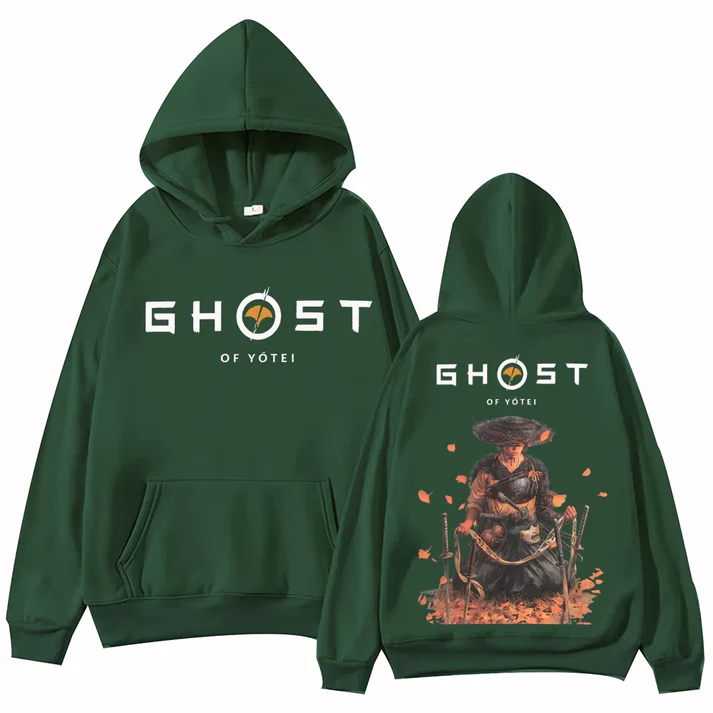
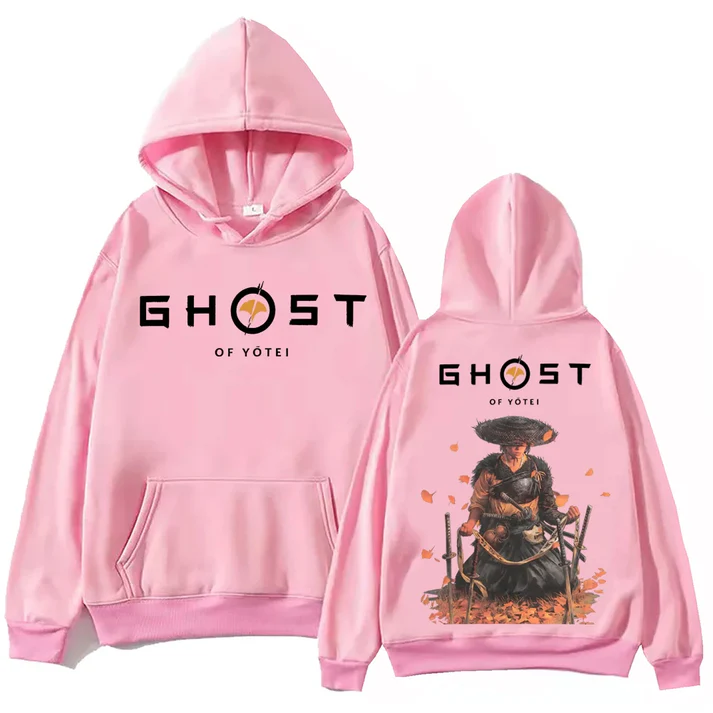
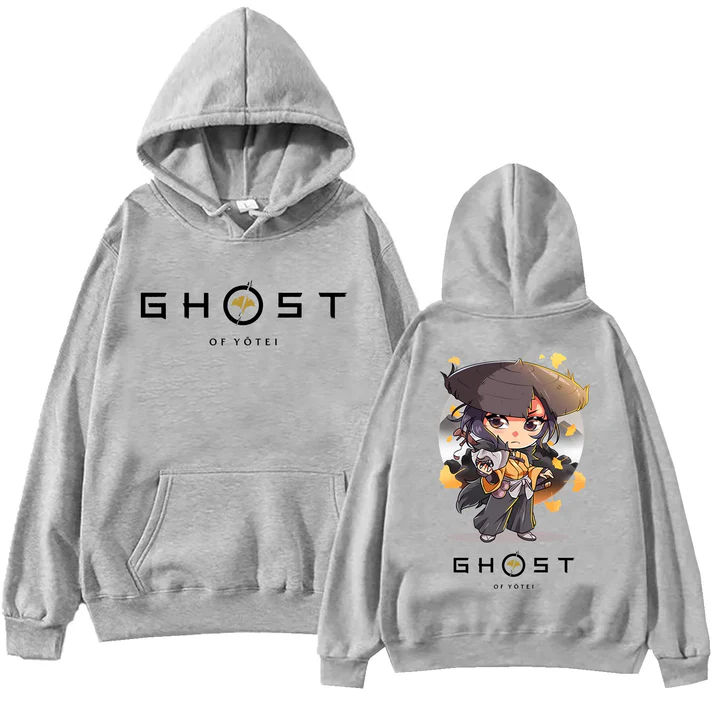
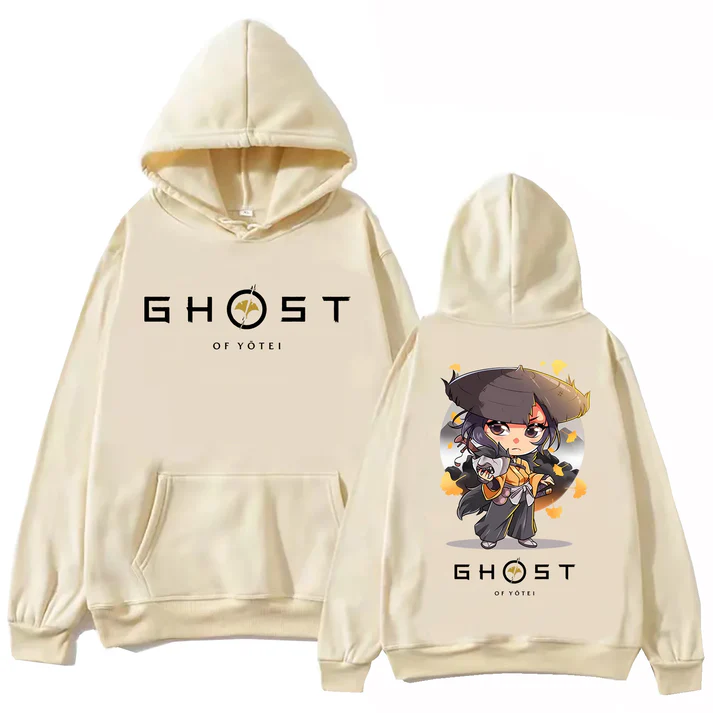
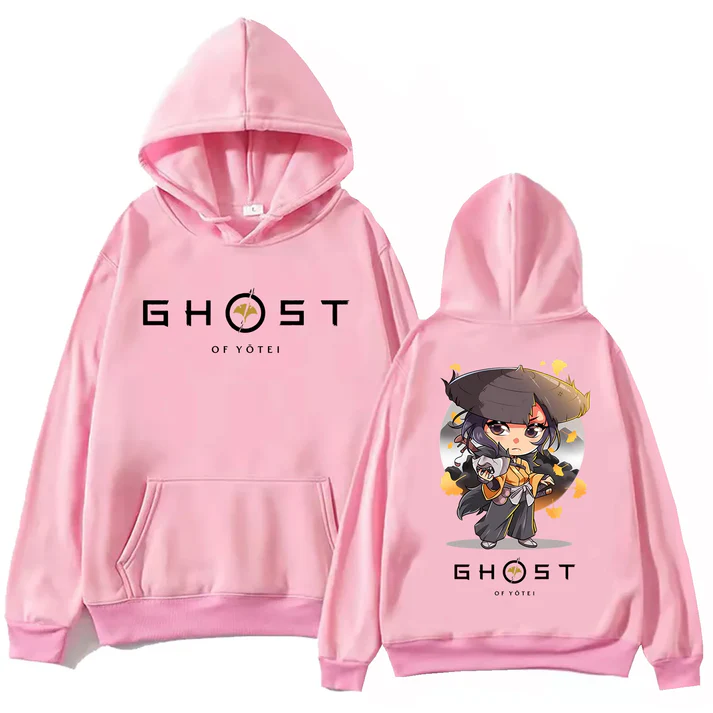
Cox and Starr make each other better, and the same principle applies to a hoodie that pairs with everything you own. The Ghost of Yotei Sakai Clan Grey Hoodie is $44, understated, and easy to build a rotation around. Think of it as the supporting cast member your favorite jacket always needed.

How Their Bond Shapes the Ending
The game's two endings, the Verso ending and the Maelle ending, are not determined by dialogue choices or relationship meters. They are determined by a single final decision that the player makes. But the emotional weight of that decision is directly proportional to how invested you have become in the Gustave-Verso relationship. If you have paid attention to their journey, if you have felt the trust build and crack and rebuild, the final choice carries a devastating personal cost that transcends the philosophical arguments both sides present. The Verso ending asks Gustave to make a sacrifice that his relationship with Verso has prepared him to understand, even if it does not prepare him to accept it. The Maelle ending offers an alternative that preserves more but resolves less, and Gustave's reaction to both possibilities is filtered through everything Verso has taught him, intentionally and unintentionally, throughout their time together. Players who rushed through the game without engaging with optional conversations and camp scenes consistently report finding the ending less impactful than those who slowed down and let the relationship breathe. That is not a failure of the ending. It is proof that the relationship works as intended, rewarding attention and emotional investment with a conclusion that earns its power.
Wear Your Fandom
Gustave and Verso's story turns on a choice, and so does every visit to our shop, except here both options are good. The Ghost of Yotei Sakai Clan White Hoodie is $44, ships flat-rate worldwide, and carries the same embroidered crest as the rest of the Sakai Clan series. Whichever ending you picked, you were right.