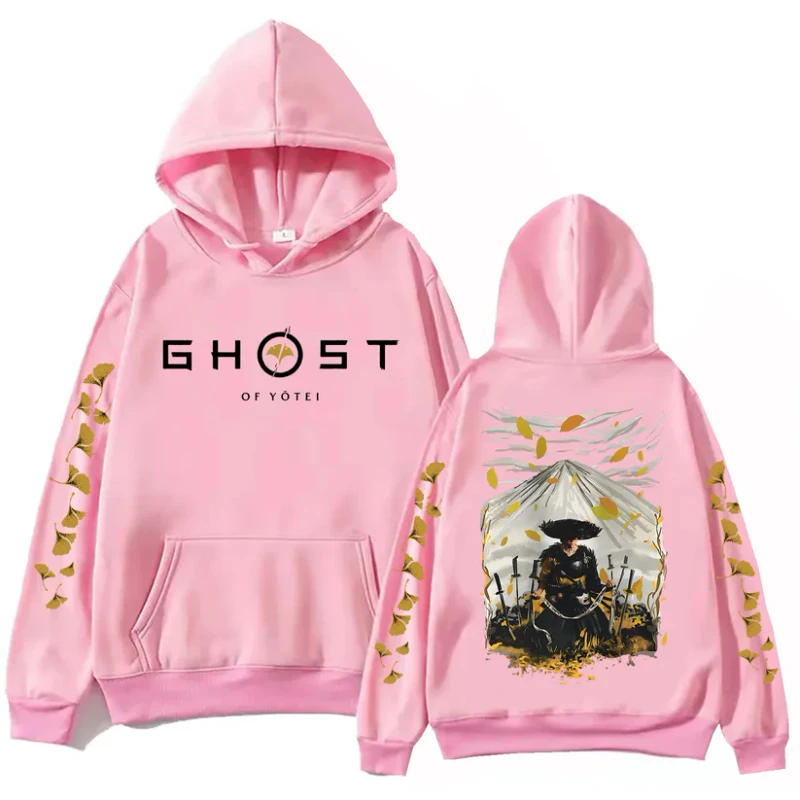
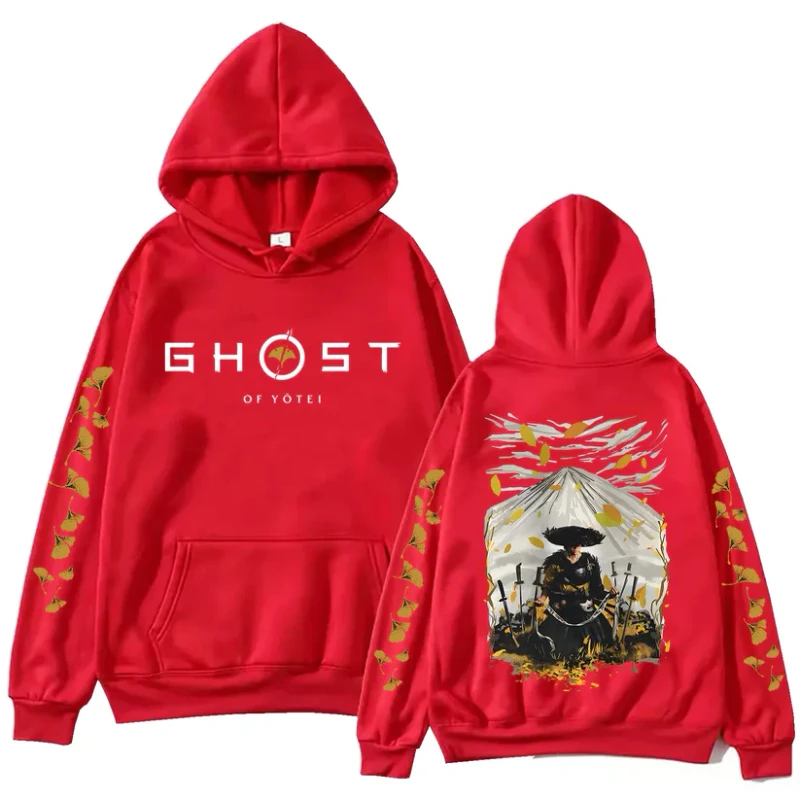
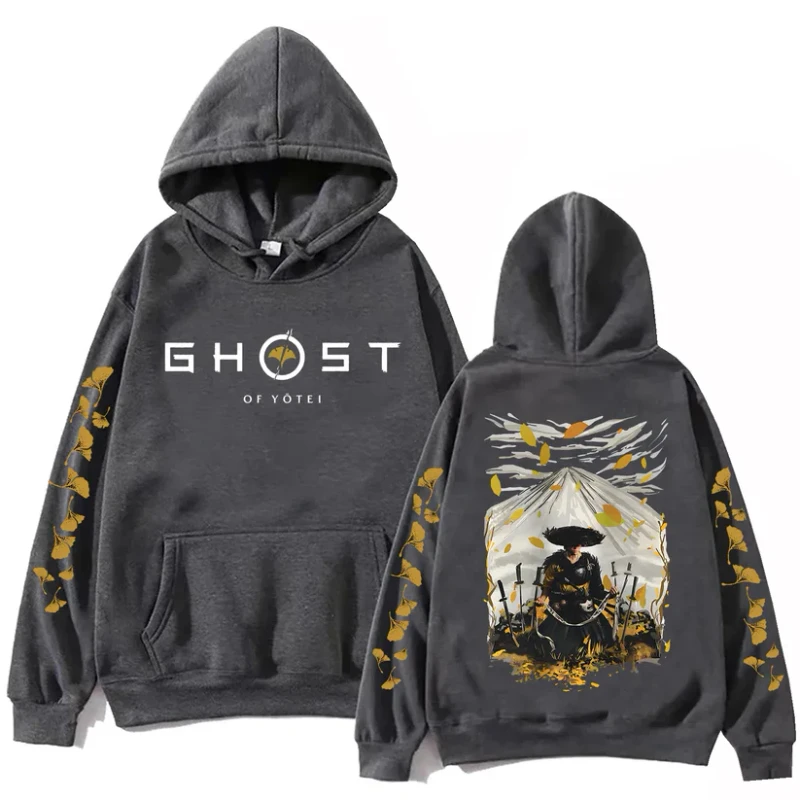
When Sandfall Interactive showed the first gameplay trailer for Clair Obscur: Expedition 33, a lot of people assumed it was a vertical slice built for marketing purposes. There was no way a thirty-person team could maintain that level of visual quality across an entire game. They did. The final product not only matches the trailers but in many cases exceeds them, and it is all running on Unreal Engine 5. Here is how they pulled it off, and what other developers can learn from their approach.
Nanite: Geometry Without Compromise
Nanite is Unreal Engine 5's virtualized geometry system, and Expedition 33 uses it aggressively in ways that most games have been cautious about. The streets of Lumiere alone contain millions of individual polygons rendered in real time, from the cobblestones under your feet to the ironwork on the balconies overhead. Traditional LOD systems would require artists to manually create simplified versions of every asset for different distances, a process that eats up development time and still produces visible pop-in. Nanite eliminates that problem entirely by automatically streaming geometry based on what the camera can actually see.
Sandfall's environment artists took full advantage of this. Instead of modeling buildings as simple boxes with texture maps, they modeled them as actual architecture with individual bricks, mortar lines, and ornamental details. The Art Deco elements in particular benefit from this approach, since that style is defined by intricate geometric patterns that would be impossible to render at full detail using traditional methods. Walk down any street in the game's Belle Epoque districts and look closely at the building facades. The level of detail is genuinely absurd for a team this size.
Lumen: Dynamic Lighting That Sells the Mood
Lumen handles global illumination in Expedition 33, and it is arguably the single most important technical feature for the game's atmosphere. The painted world has a specific quality of light that is hard to describe but immediately recognizable. It is warm but not golden, soft but not flat, with subtle color shifts depending on the area and time of day. That quality of light is not baked into precomputed lighting maps. It is being calculated in real time by Lumen, which means it responds dynamically to everything happening on screen.
When Gustave walks past a street lamp, the light actually interacts with his coat and the surrounding geometry in a physically accurate way. When a combat ability creates a burst of elemental energy, the light from that burst illuminates nearby surfaces and characters before fading. This kind of dynamic lighting has been possible in limited forms for years, but Lumen makes it seamless and consistent across the entire game world. Sandfall's technical artists deserve enormous credit for the light profiles they created, because the entire aesthetic of Expedition 33 depends on getting the lighting exactly right.
Lumen works by simulating how light actually behaves, and good streetwear comes down to a similar obsession with materials. The Ghost of Yotei White Hoodie is the minimalist option in our collection, $44 and clean enough to wear anywhere. Consider it the Lumen of your closet, quietly making everything around it look better.
Real-Time Cutscenes at Scale
Approximately ninety-five percent of Expedition 33's cutscenes are rendered in real time using the same engine and assets as gameplay. This is not unusual for modern games in principle, but achieving visual parity between cutscenes and gameplay at this quality level is remarkable. Many games that claim to use real-time cutscenes still employ tricks like higher-resolution character models or enhanced lighting rigs during story sequences. Expedition 33 does not. What you see in gameplay is what you see in cutscenes, and vice versa.
That consistency matters because it eliminates the jarring transitions between gameplay and story that plague even otherwise excellent games. When a cutscene ends and control returns to the player, the visual quality does not drop. The character models do not change. The lighting does not shift. This cohesion is a direct result of Sandfall's decision to build their entire pipeline around Nanite and Lumen rather than using them as supplements to traditional rendering methods. It required more upfront investment in their art pipeline, but the payoff is a game that looks cohesive from start to finish.
Performance Optimization on a Budget
The most impressive technical achievement in Expedition 33 might be its performance. Despite the visual complexity, the game runs smoothly on mid-range hardware and maintains stable frame rates on current-gen consoles. This did not happen by accident. Sandfall implemented aggressive level-of-detail streaming, selective rendering for off-screen geometry, and a custom occlusion culling system that prevents the engine from wasting resources on things the player cannot see. They also developed a proprietary texture streaming solution that loads high-resolution textures progressively based on camera proximity and movement speed.
For developers looking to achieve similar results with small teams, the key lesson from Expedition 33 is that technical constraints breed creativity. Sandfall could not afford to throw hardware at performance problems, so they solved them through smart architecture. Their painterly aesthetic is not just an artistic choice. It is a technical strategy that allows them to use stylized textures and simplified material models without sacrificing visual impact. A highly detailed cobblestone street rendered in a realistic style would require far more texture memory than the same street rendered with a painted texture that suggests detail rather than literally reproducing it. That distinction is the difference between a game that runs well on a Steam Deck and a game that struggles on a high-end PC.
From the Huzi Style Collection
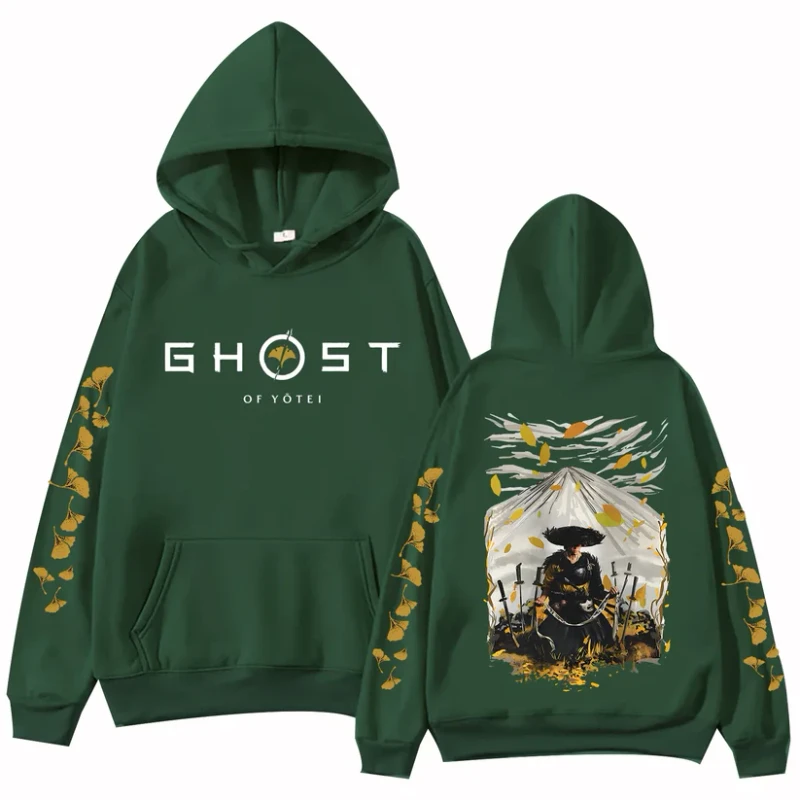
The whole trick of Expedition 33 is making technology serve art instead of the other way around, a philosophy we can get behind. Huzi Style applies it to cotton: detailed game-inspired artwork printed on premium fabric, $44 across the lineup. The zip-up Ghost of Yotei Green Hoodie Anime edition is the one I would grab for long gaming nights, with a full-zip front you will actually use.