Some game cities are locations. Vice City is a memory. For a whole generation, the first visit was a rented PS2 copy of Grand Theft Auto: Vice City in 2002 — a Game Boy-colored opener of palm trees, pastel suits, and a Wavechecker radio full of eighties hits, all wrapped around Tommy Vercetti's rise through a city that owed its soul to Miami and Scarface. That game sold millions and taught the industry that a joke could be a genre. Twenty-plus years later, Rockstar is going back, and the difference between then and now says a lot about where this series has been.
The 2002 Version: Satire With a Synth Soundtrack
The original Vice City was, on paper, the safest sequel Rockstar ever made — take the GTA III engine, relocate it to a sunnier decade, and let the eighties do the heavy lifting. What made it special was how completely it committed. Every radio station, billboard, and outfit was a loving jab at Miami Vice, Scarface, and the decade's general excess. It was a city built from secondhand nostalgia for a decade most players only knew through re-runs, and it worked because the satire had teeth. You were not just causing chaos in a pretty place; you were starring in the exact crime movie the city was parodying, complete with a mansion finale that need not name-drop Scarface for everyone to hear it anyway.
The 2026 Version: Same Sun, Harder Light
GTA 6's Vice City is a different beast, because the joke has changed shape. Modern Vice City sits inside the state of Leonida — Rockstar's Florida — and the modern Floridas of social media give the satire a fresh target list: influencer culture, livestream chaos, the spectacle of people filming their own worst moments. The first trailer made that tone obvious within seconds, from beachfront glamour to an airboat chase through the swamps, with the city's nightlife and its cruelty sitting in the same frame. Where 2002's Vice City parodied television, 2026's version is positioned to parody the feed — and Rockstar has always been sharpest when the world itself is the joke, not just the missions.
There is something a little perfect about the timing, too. The original dropped when the eighties revival was peaking; this one arrives just as the 2000s nostalgia wave starts hitting gaming's core audience. Nostalgia is a renewable resource, and Rockstar is excellent at strip-mining it responsibly — keeping the postcards recognizable (the neon, the water, the crimes) while making sure the modern-day version has its own identity instead of living off an old soundtrack.
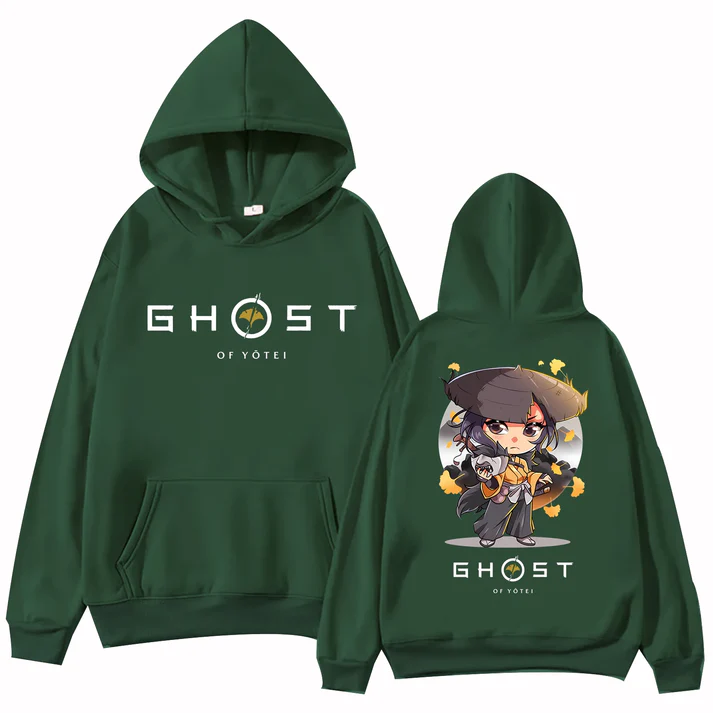
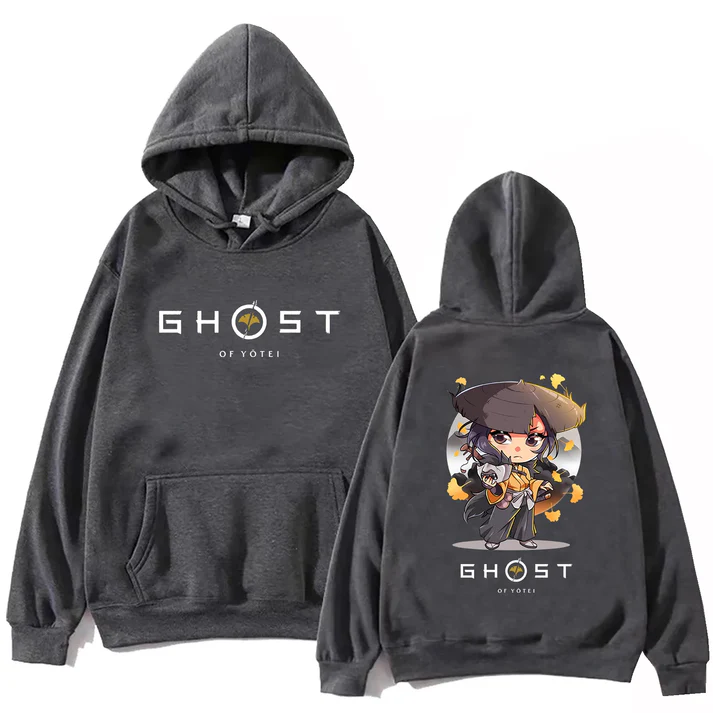
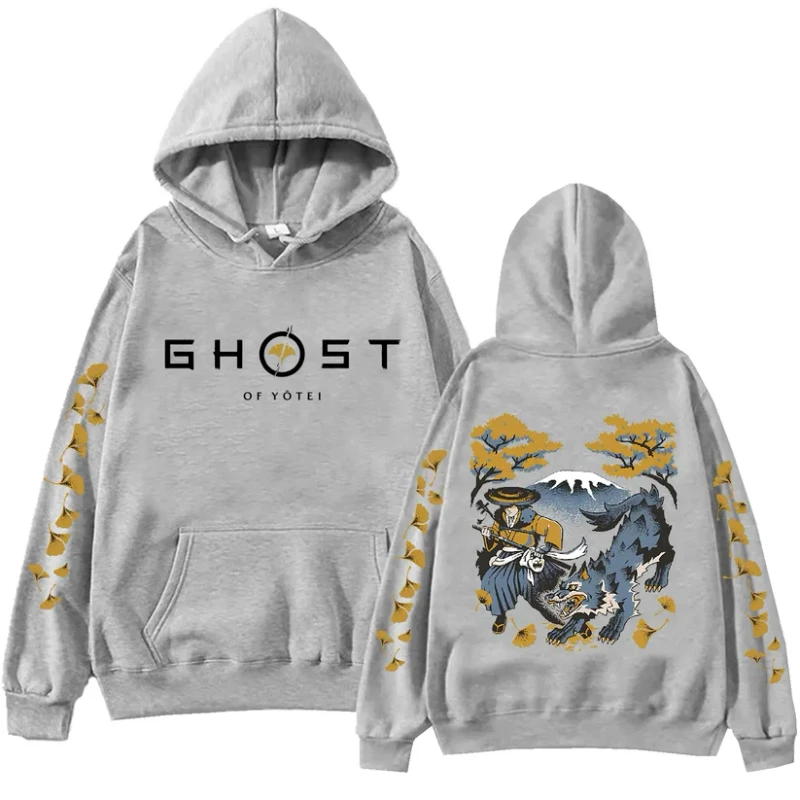
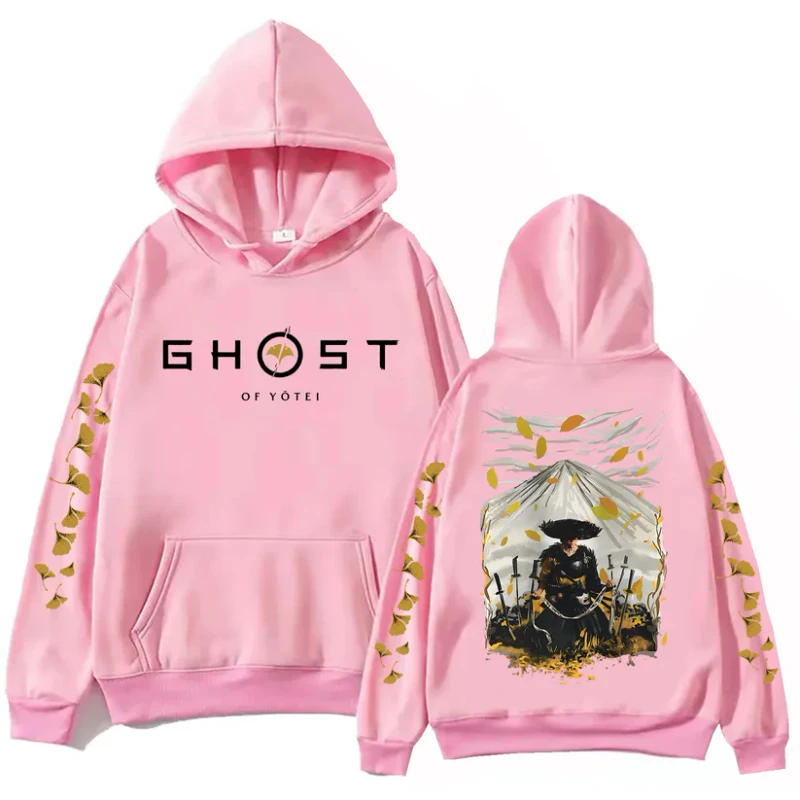
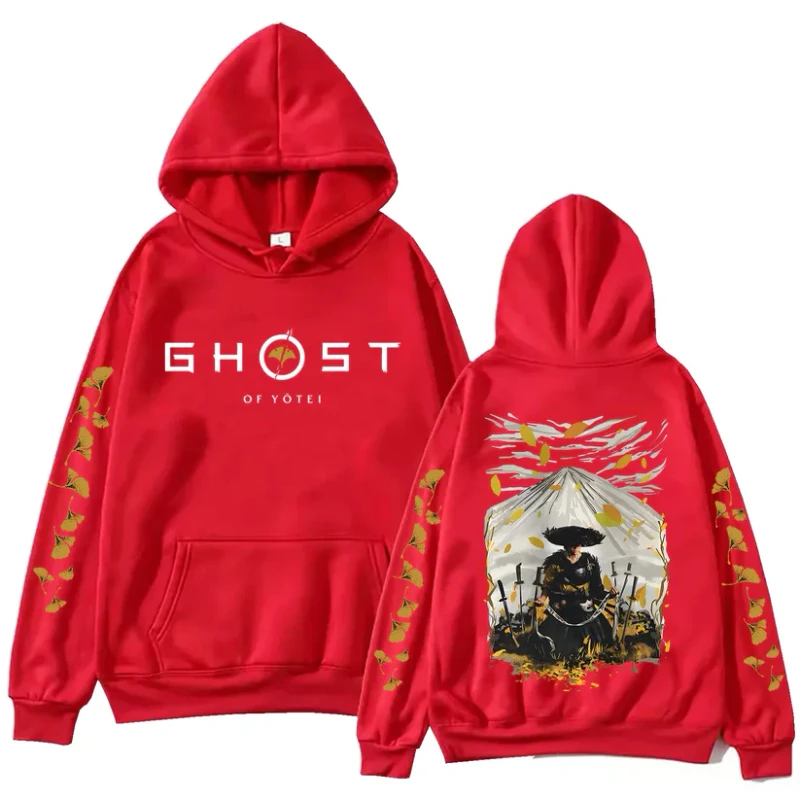
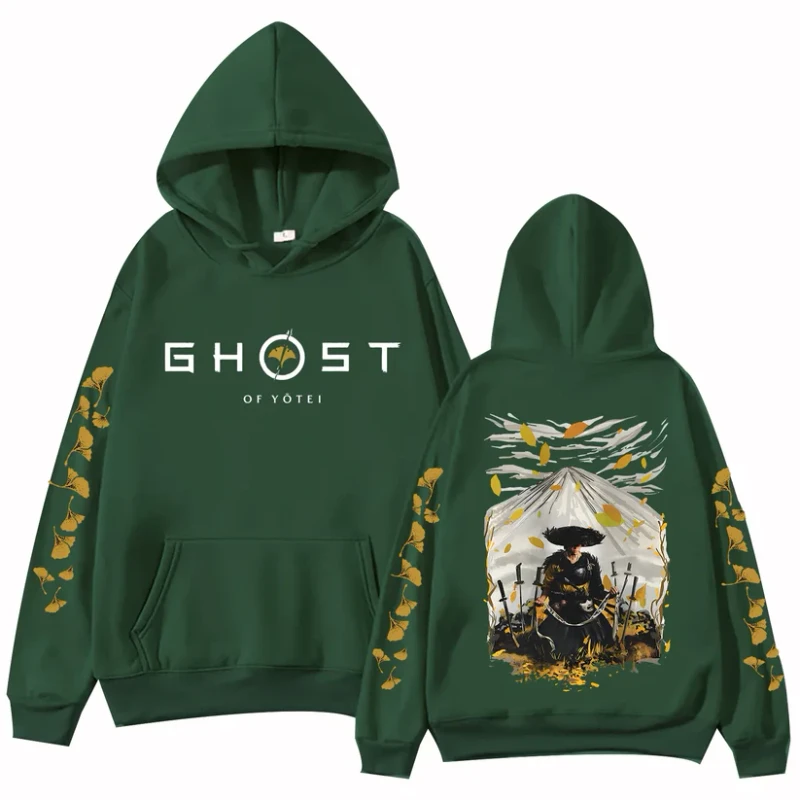
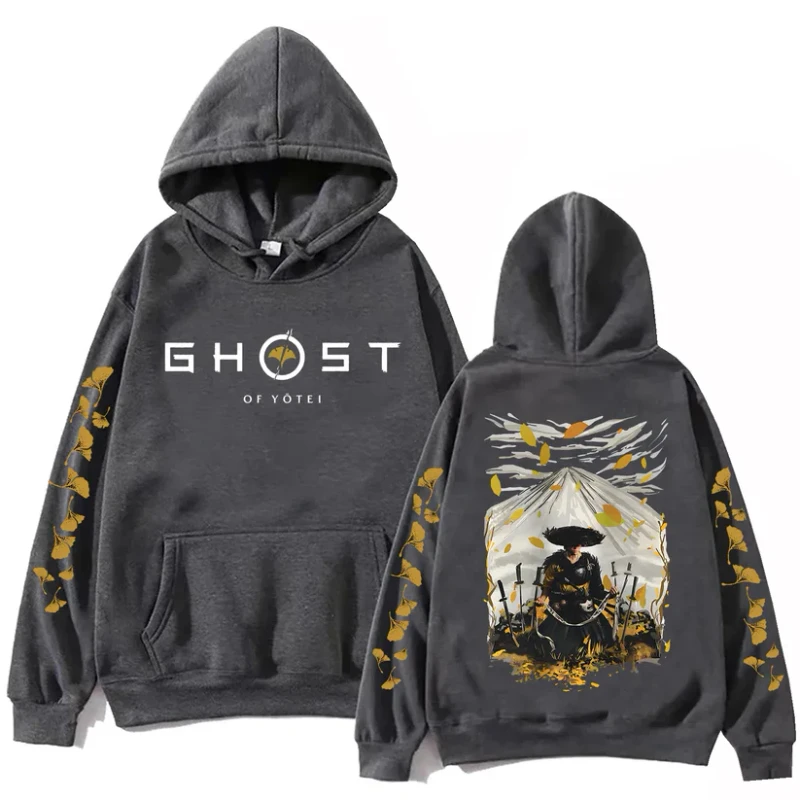
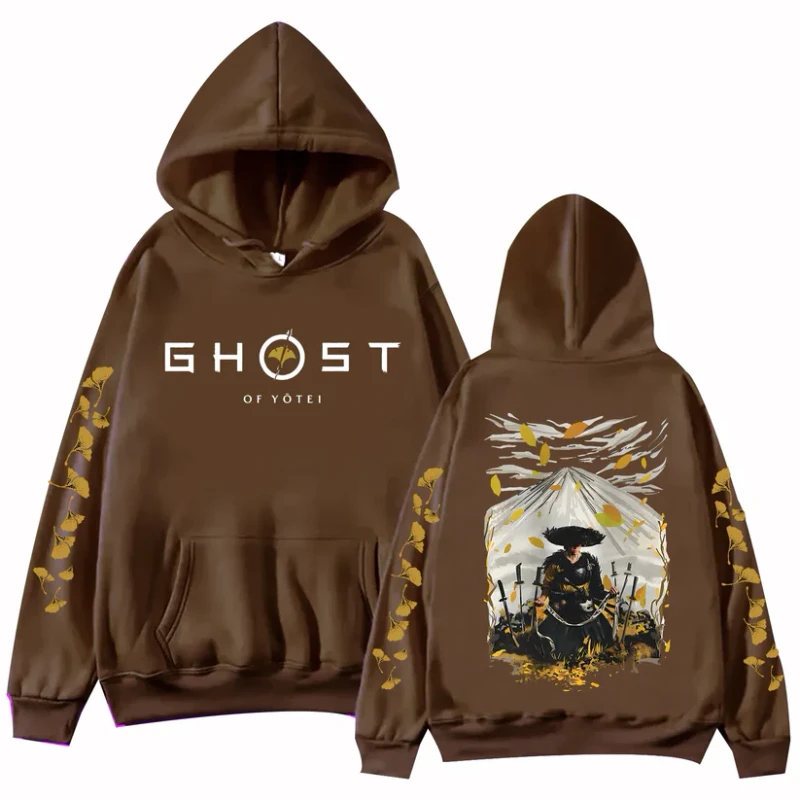
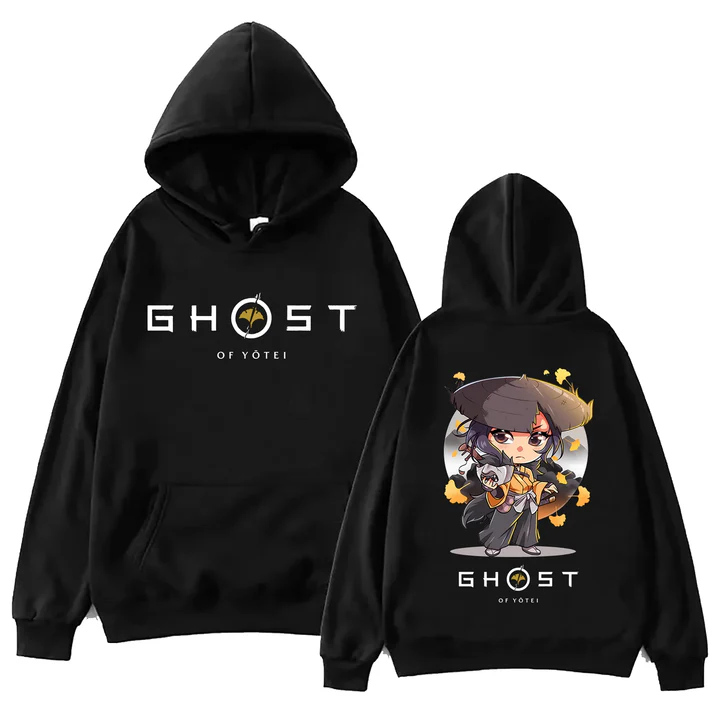
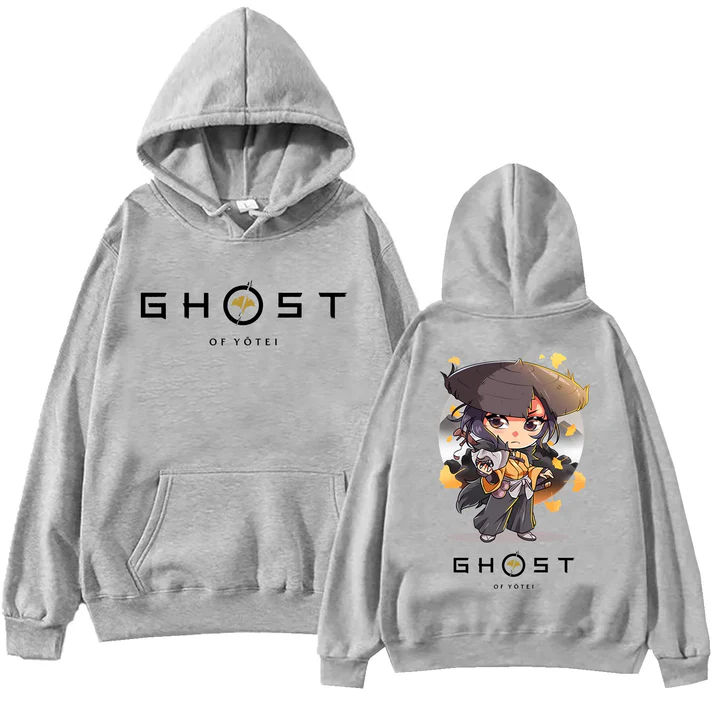
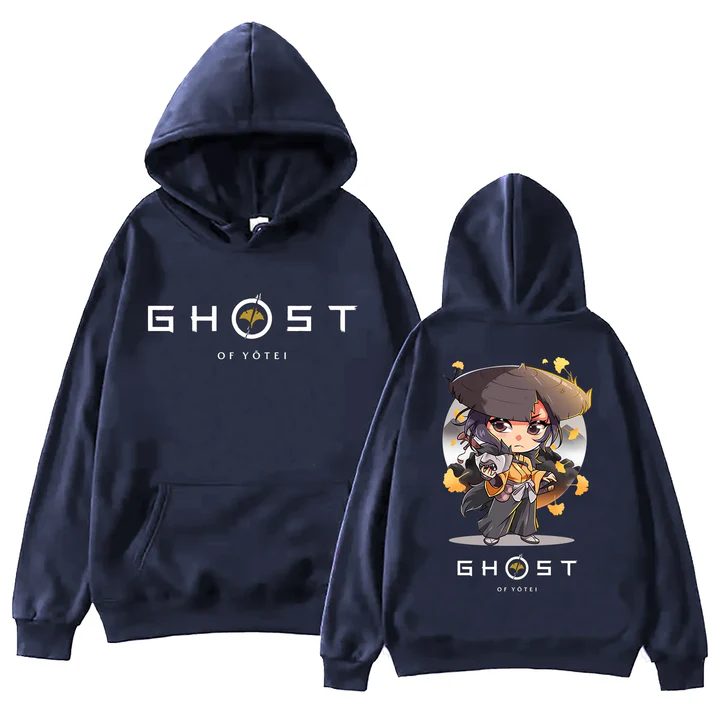
Since this is the part of the journal where we talk shop: we do not sell GTA merch, and we would rather say that straight than point you at a bootleg. But if your wardrobe wants a piece of that pastel-sky energy, the Ghost of Yotei Kawaii Blue Hoodie is the closest thing on our racks — soft blue, printed with Atsu and Mount Yotei, and very much built for long gaming nights. It is $44 with flat $10 worldwide shipping to 100+ countries, paid in advance via Payoneer, Wise, or bank transfer.
Whether GTA 6's Vice City becomes someone else's 2002 — the game they remember their whole life around — is the last unanswered question. The odds, as usual with Rockstar, look uncomfortably good for everyone's free time.